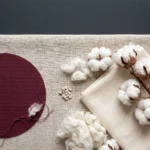
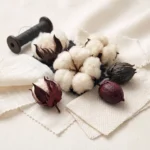
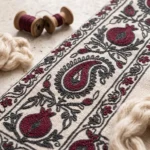
وقتی یک لباس میخریم، معمولاً به رنگ، مدل و اندازهی آن توجه میکنیم؛ اما چیزی که مستقیماً با پوست ما در تماس است، جنس پارچه است. شناخت الیاف طبیعی میتواند انتخاب لباس را هوشمندانهتر، راحتتر و حتی لذتبخشتر کند.
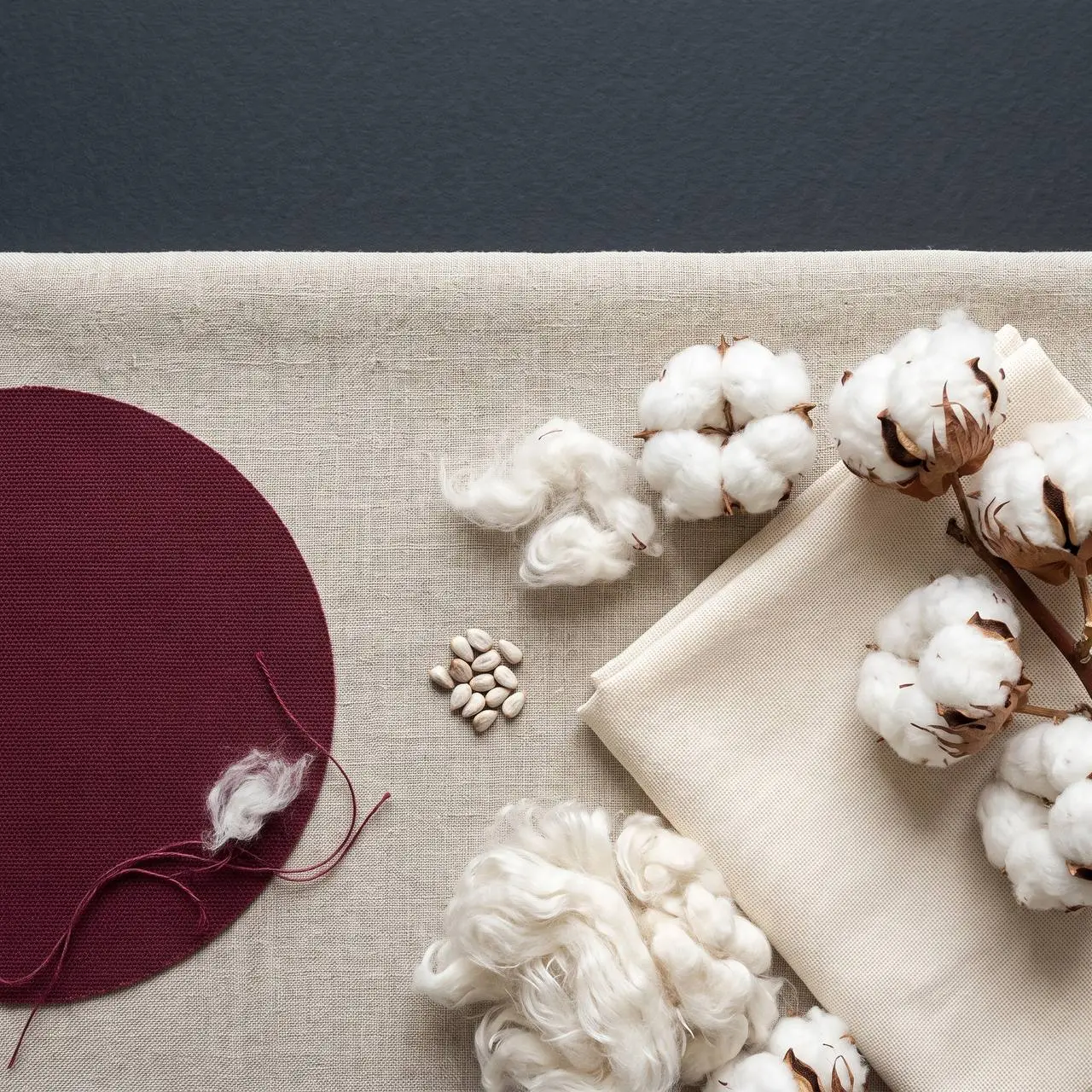
الیاف طبیعی موادی هستند که منشأ گیاهی یا حیوانی دارند. پنبه، لینن، کنف، پشم و ابریشم از شناختهشدهترین آنها هستند. هر کدام ویژگی خاص خود را دارند و برای شرایط و سبکهای مختلف مناسباند.
۱. پنبه
پنبه یکی از پرکاربردترین الیاف طبیعی در جهان است. نرم، راحت و مناسب استفادهی روزمره است و به همین دلیل در انواع لباسهای زنانه، از پیراهن و شومیز گرفته تا لباسهای خانگی و تابستانی استفاده میشود.
۲. لینن
لینن از الیاف گیاه کتان به دست میآید و به دلیل سبکی و قابلیت تنفس، یکی از محبوبترین گزینهها برای فصل گرم است. ظاهر طبیعی و کمی چروک آن نیز بخشی از زیبایی خاص لینن محسوب میشود.
۳. ابریشم
ابریشم لطیف، سبک و درخشان است و از گذشته جایگاه ویژهای در پوشاک داشته است. برای شومیز، روسری، لباسهای رسمی و قطعات ظریف بسیار مناسب است.
۴. پشم
پشم به دلیل توانایی حفظ گرما، بیشتر برای فصلهای سرد استفاده میشود. کیفیت پشم میتواند بسیار متفاوت باشد و نوع الیاف و نحوهی فرآوری آن در لطافت نهایی تأثیر زیادی دارد.
۵. کنف
کنف از گیاه شاهدانهی صنعتی به دست میآید و به دلیل استحکام و دوام بالا مورد توجه صنعت پوشاک پایدار قرار گرفته است.
۶. جوت
جوت بیشتر در منسوجات و محصولات کاربردی دیده میشود، اما در طراحیهای معاصر میتواند برای ایجاد بافتهای طبیعی و متفاوت نیز مورد استفاده قرار گیرد.
۷. آلپاکا
الیاف آلپاکا نرم، گرم و سبک هستند و بیشتر در پوشاک سردسیر و محصولات باکیفیت استفاده میشوند.
۸. موهر
موهر از بز آنقوره به دست میآید و به خاطر درخشندگی، لطافت و گرمای خود شناخته میشود.
۹. کشمیر
کشمیر یکی از الیاف لوکس طبیعی است که از زیرلایهی موی بز کشمیر به دست میآید. لطافت و گرمای بالا، دلیل ارزشمند بودن آن است.
۱۰. رامیه
رامیه یک الیاف گیاهی طبیعی و بادوام است که از گیاهی همخانواده با گزنه به دست میآید و در برخی منسوجات به کار میرود.
اما یک نکته مهم را نباید فراموش کنیم: «طبیعی» همیشه به معنی «کاملاً بدون اثر زیستمحیطی» نیست. میزان آب مصرفی، روش کشاورزی، رنگرزی، فرآوری، حملونقل و طول عمر لباس هم اهمیت دارند. نگاه امروز به مد پایدار بیشتر بر کل چرخهی زندگی لباس تمرکز دارد، نه فقط نام الیاف.
در انتخاب لباسهای زنانه، شناخت این تفاوتها میتواند به انتخابی آگاهانهتر منجر شود؛ انتخابی که در رَخت ایرانی اِکسون نیز در توجه به الیاف طبیعی و کیفیت پوشاک اهمیت ویژهای دارد.
بنابراین هنگام خرید، بهتر است علاوه بر سؤال «این لباس از چه پارچهای ساخته شده؟»، سؤال دیگری هم داشته باشیم:
«این لباس چقدر خوب ساخته شده و قرار است چند سال همراه من بماند؟»
10 Natural Fibers Every Woman Should Know
When buying clothing, we often focus on color, design, and size. Yet the material that remains in direct contact with our skin is the fabric itself. Understanding natural fibers can help us make smarter, more comfortable, and more enjoyable choices.
Natural fibers come from plant or animal sources. Cotton, linen, hemp, wool, and silk are among the best-known examples. Each has different characteristics and works better for different seasons and styles.
1. Cotton
Cotton is one of the most widely used natural fibers in the world. It is soft, comfortable, and suitable for everyday use, which is why it is used in many types of women’s clothing, from dresses and shirts to homewear and summer garments.
2. Linen
Linen is made from the flax plant and is especially popular for warm weather because it is lightweight and breathable. Its natural, slightly wrinkled appearance is also part of its character.
3. Silk
Silk is delicate, lightweight, and naturally lustrous. It has held a special place in clothing for centuries and is particularly suitable for shirts, scarves, formal garments, and refined pieces.
4. Wool
Wool is valued for its ability to retain warmth and is mainly used during colder seasons. Its quality can vary considerably depending on the fiber and the way it is processed.
5. Hemp
Hemp is derived from the industrial hemp plant and has attracted attention in sustainable fashion because of its strength and durability.
6. Jute
Jute is commonly found in practical textiles, but contemporary designers can also use it to create distinctive natural textures.
7. Alpaca
Alpaca fibers are soft, warm, and lightweight and are commonly used in high-quality cold-weather garments.
8. Mohair
Mohair comes from the Angora goat and is known for its natural sheen, softness, and warmth.
9. Cashmere
Cashmere is a luxurious natural fiber obtained from the fine undercoat of cashmere goats. Its exceptional softness and warmth are what make it so valuable.
10. Ramie
Ramie is a durable natural plant fiber obtained from a plant related to the nettle family and is used in various textiles.
One important point should not be forgotten: “natural” does not automatically mean “completely free from environmental impact.” Water consumption, farming methods, dyeing, processing, transportation, and garment longevity all matter. Modern sustainable fashion increasingly considers the entire life cycle of a garment rather than the fiber name alone.
Understanding these differences can lead to more informed choices in women’s clothing—an approach that is also central to Exoon Iranian Attire, where natural fibers and garment quality are given particular importance. Exoon Iranian Attire
So when buying clothing, it is worth asking not only, “What fabric is this garment made from?”
We should also ask:
“How well is it made, and how long will it stay with me?