وقتی دربارهی لباس سنتی ایرانی صحبت میکنیم، معمولاً تصویری از رنگهای فراوان، گلدوزی، پارچههای دستباف و فرمهای خاص در ذهنمان شکل میگیرد. اما این عناصر دیگر فقط متعلق به موزهها یا مراسم سنتی نیستند.
در سالهای اخیر، الهام از میراث نساجی و پوشاک سنتی به یکی از راههای جذاب برای ساختن هویت در طراحی معاصر تبدیل شده است.
ایران سرزمین تنوع فرهنگی و اقلیمی است و همین موضوع باعث شده پوشاک مناطق مختلف، زبانهای بصری متفاوتی داشته باشند. رنگ، نقش، نوع پارچه، تزئینات و حتی فرم لباس در مناطق مختلف تغییر کرده است.
هنر نساجی ایران نیز سابقهای بسیار طولانی دارد. از پارچههای دستباف و ابریشم گرفته تا گلیم، جاجیم، گلدوزی و انواع هنرهای پارچهای، هر کدام بخشی از حافظهی فرهنگی این سرزمین را در خود نگه داشتهاند.
یکی از جذابترین بخشهای این میراث، هنرهایی است که توسط زنان نسل به نسل منتقل شدهاند. در سنتهای مختلف نساجی ایران، زنان در ریسندگی، طراحی، انتخاب رنگ، بافندگی و تزئین پارچه نقش مهمی داشتهاند.
امروز طراح لازم نیست یک لباس سنتی را عیناً بازسازی کند.
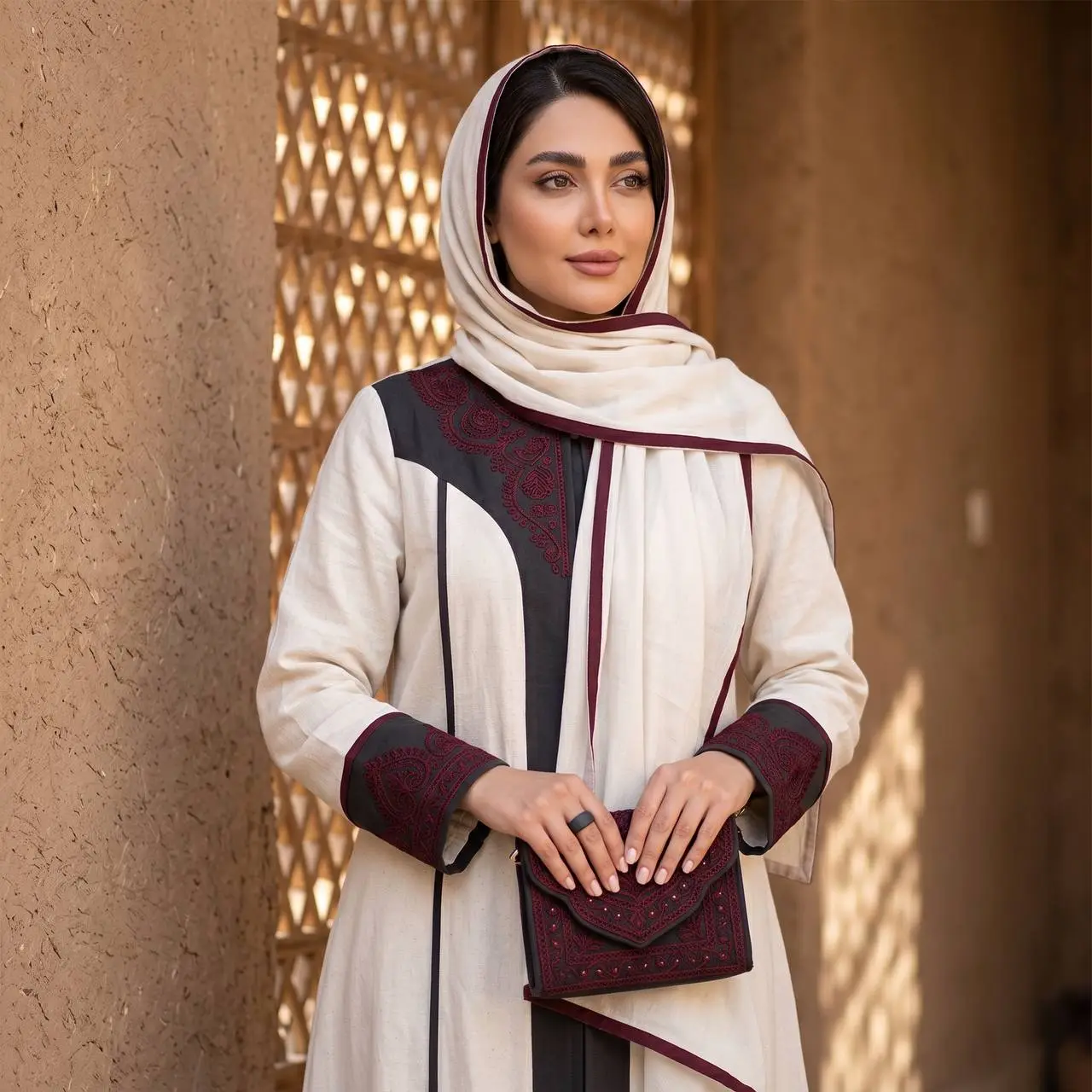
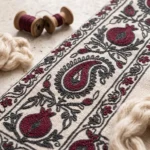
گاهی یک نوار گلدوزیشده روی آستین، یک نقش هندسی، ترکیب رنگی الهامگرفته از یک منطقه، یا استفاده از یک پارچهی دستباف میتواند کافی باشد تا لباس هویت ایرانی پیدا کند.
این نگاه، سنت را به چیزی زنده تبدیل میکند.
لباس سنتی وقتی وارد دنیای مدرن میشود که بتواند با زندگی امروز سازگار شود. زن امروزی ممکن است بخواهد لباسی ساده و راحت بپوشد، اما در عین حال دوست داشته باشد بخشی از فرهنگ و ریشههای خود را در انتخاب لباسش نشان دهد.
اینجاست که پوشاک زنانهی مدرن با الهام از سنت ایرانی معنا پیدا میکند.
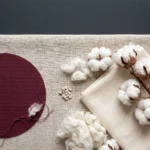
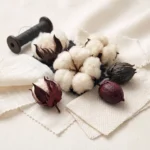
استفاده از الیاف طبیعی نیز این ارتباط را عمیقتر میکند. پارچههای پنبهای، لینن، پشم و ابریشم میتوانند در کنار طراحی مدرن، تصویری معاصر اما ریشهدار ایجاد کنند. رَخت ایرانی اِکسون را نیز میتوان در همین مسیر دید؛ جایی که پوشاک زنانه، طبیعت و الهام از فرهنگ ایرانی در کنار زبان امروزی قرار میگیرند.
در نهایت، هدف بازگرداندن گذشته نیست.
هدف، ادامه دادن یک داستان قدیمی با زبان امروز است.
How Did Iranian Traditional Clothing Enter Modern Fashion?
When we think about Iranian traditional clothing, we often imagine rich colors, embroidery, handwoven fabrics, and distinctive silhouettes. But these elements no longer belong only to museums or traditional ceremonies.
In recent years, inspiration from traditional textiles and clothing has become an exciting way to create identity in contemporary fashion.
Iran’s extraordinary cultural and geographical diversity has produced a wide range of regional clothing traditions. Colors, patterns, fabrics, decorative techniques, and silhouettes vary significantly from one region to another.
Iranian textile art also has a very long history. From handwoven and silk fabrics to kilims, jajims, embroidery, and other textile arts, each carries part of the cultural memory of the country.
One of the most fascinating parts of this heritage is the craftsmanship passed down by women from generation to generation. In different Iranian textile traditions, women have played important roles in spinning, design, color selection, weaving, and textile decoration.
Today, a designer does not need to reproduce an entire traditional garment.
Sometimes a strip of embroidery on a sleeve, a geometric motif, a regional color palette, or a handwoven textile is enough to give a contemporary garment a distinct Iranian identity.
This approach turns tradition into something living.
Traditional clothing becomes part of modern fashion when it can adapt to contemporary life. A modern woman may want clothing that is simple and comfortable while still expressing something about her culture and roots.
This is where contemporary Iranian women’s clothing inspired by tradition becomes meaningful.
Natural fibers can deepen this connection. Cotton, linen, wool, and silk can be combined with modern silhouettes to create a look that feels contemporary while remaining connected to heritage. Exoon Iranian Attire can also be understood within this approach, where women’s clothing, nature, and inspiration from Iranian culture meet a contemporary language. Exoon Iranian Attire
The goal is not to recreate the past.
It is to continue an old story in the language of today.