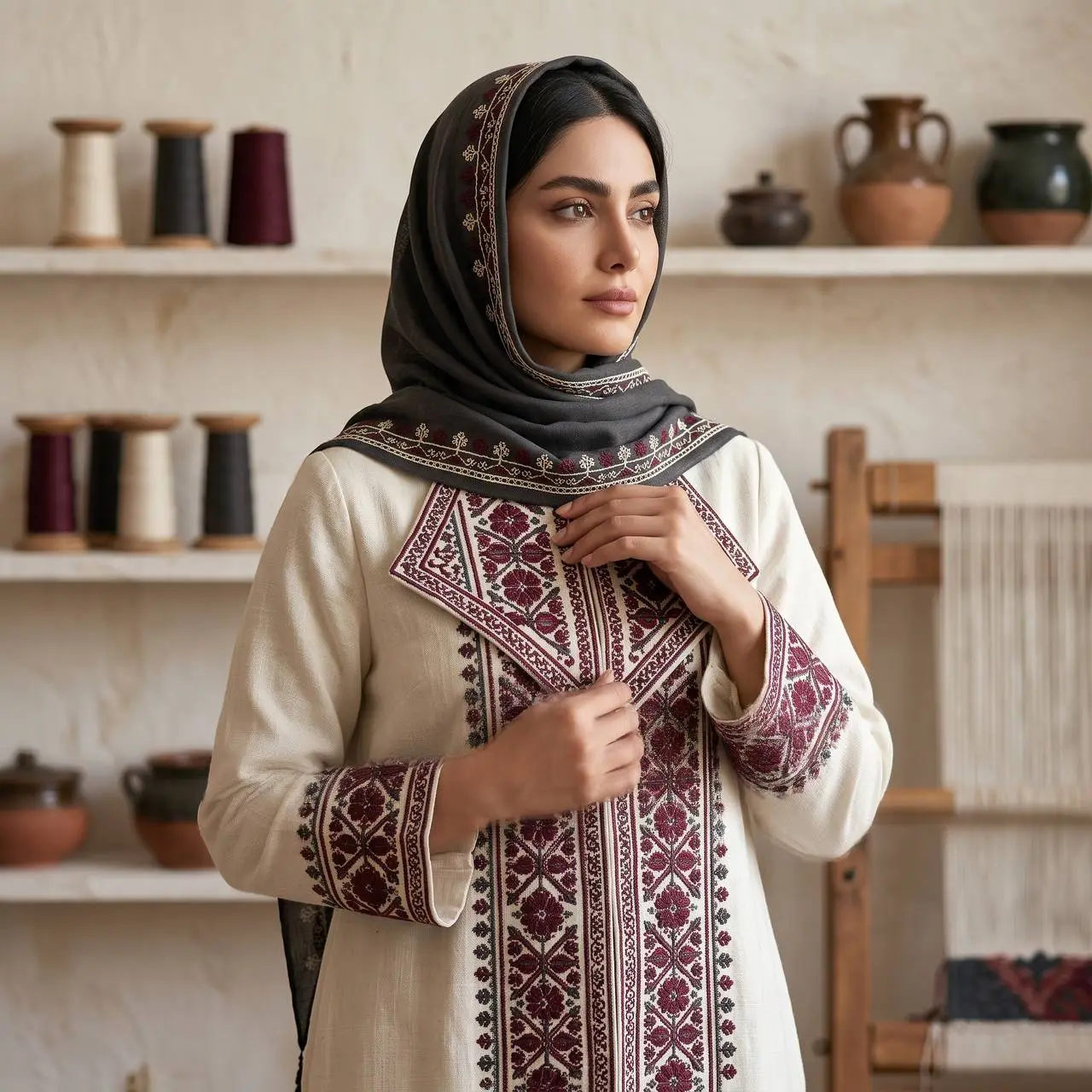
گاهی هنگام خرید یک لباس، با دو محصول ظاهراً مشابه روبهرو میشویم؛ هر دو زیبا هستند، هر دو طراحی خوبی دارند، اما قیمت یکی بیشتر است. یکی از دلایل مهم این تفاوت میتواند جنس و کیفیت پارچه باشد.
اما چرا لباسهای ساختهشده از الیاف طبیعی گاهی قیمت بیشتری دارند؟
اولین دلیل، خود مادهی اولیه است.
تولید الیاف طبیعی به کشاورزی، دامداری یا فرآیندهای طبیعی وابسته است و کیفیت مادهی اولیه میتواند تحت تأثیر شرایط مختلف قرار بگیرد. بعد از تولید الیاف، مراحل ریسندگی، بافندگی، رنگرزی و آمادهسازی پارچه نیز هزینهبر هستند.
اما قیمت لباس فقط به خود الیاف مربوط نمیشود.
کیفیت نخ اهمیت زیادی دارد. دو پارچه ممکن است هر دو «پنبهای» باشند، اما کیفیت پنبه، طول الیاف، نوع نخ، تراکم بافت و فرآوری آنها کاملاً متفاوت باشد.
همین موضوع دربارهی لینن، ابریشم و پشم نیز صادق است.
عامل دیگر، دوام است.
لباسی که بهتر تولید شده باشد، دوخت دقیقتری داشته باشد و از پارچهی باکیفیت استفاده کند، ممکن است سالها قابل استفاده باشد. بنابراین قیمت اولیهی بیشتر همیشه به معنی هزینهی بیشتر در طول عمر لباس نیست.
یک لباس ارزان که پس از مدت کوتاهی شکل خود را از دست میدهد، رنگش تغییر میکند یا دوخت آن آسیب میبیند، ممکن است در نهایت هزینهی بیشتری برای مصرفکننده ایجاد کند؛ زیرا مجبور میشویم دوباره لباس بخریم.
در مقابل، انتخاب یک لباس باکیفیت میتواند به معنای خرید کمتر و استفادهی طولانیتر باشد؛ موضوعی که با فلسفهی Slow Fashion همخوانی دارد.
البته نباید تصور کنیم هر لباسی که از الیاف طبیعی ساخته شده، الزاماً گران یا باکیفیت است. کیفیت نهایی به مجموعهای از عوامل بستگی دارد: نوع الیاف، کیفیت نخ، بافت، رنگرزی، دوخت، طراحی، تولید و حتی نحوهی نگهداری.
از سوی دیگر، تولید پایدار و مسئولانه نیز ممکن است هزینهی بیشتری داشته باشد. صنعت نساجی در تمام زنجیرهی تولید خود با مسائل زیستمحیطی و اجتماعی روبهروست و حرکت به سمت مدلهای پایدارتر نیازمند تغییر در روش تولید و مصرف است.
بنابراین وقتی برای یک لباس طبیعی و باکیفیت هزینه میکنیم، فقط برای «پارچه» پول نمیدهیم.
برای کیفیت مواد، مهارت تولید، دوام، طراحی و تجربهی استفادهی طولانیتر هزینه میکنیم. این همان ارزشی است که در رَخت ایرانی اِکسون میتواند فراتر از قیمت اولیهی یک لباس معنا پیدا کند: ارزش پارچه، طراحی، کیفیت و ماندگاری.
در نهایت، شاید بهترین سؤال هنگام خرید این نباشد که:
«چرا این لباس گرانتر است؟»
بلکه این باشد:
«آیا کیفیت و ارزش این لباس، قیمت آن را توجیه میکند؟»
Why Are Clothes Made from Natural Fibers More Expensive?
Sometimes we compare two garments that appear similar. Both may look beautiful and well designed, yet one costs more. One important reason may be the quality and type of fabric.
So why can clothing made from natural fibers be more expensive?
The first reason is the raw material itself.
Natural fibers depend on agriculture, animal production, or natural biological processes, and the quality of the raw material can vary. After the fibers are produced, spinning, weaving, dyeing, and finishing all add further costs.
But the price of a garment is not determined by the fiber alone.
Yarn quality is extremely important. Two fabrics can both be labeled “cotton” while being dramatically different in fiber quality, yarn construction, weave density, and finishing.
The same is true of linen, silk, and wool.
Durability is another important factor.
A well-made garment with high-quality fabric and careful construction can remain wearable for years. Therefore, a higher initial price does not necessarily mean a higher cost over the garment’s entire life.
A cheaper garment that quickly loses its shape, fades, or develops damaged seams may ultimately cost more because it needs to be replaced.
Choosing better clothing can mean buying fewer garments and wearing them for longer, which aligns closely with the philosophy of Slow Fashion.
Of course, not every garment made from natural fibers is automatically expensive or high quality. Final quality depends on many factors: fiber, yarn, weaving, dyeing, construction, design, production, and care.
Responsible and more sustainable production can also involve higher costs. The textile sector faces environmental and social challenges throughout its supply chain, and transitioning toward more sustainable production requires changes in both manufacturing and consumption.
So when we pay more for a high-quality natural-fiber garment, we are not simply paying for the fabric.
We are paying for material quality, craftsmanship, durability, design, and a longer-lasting experience. This is the value that Exoon Iranian Attire can represent beyond the initial price of a garment: the value of fabric, design, quality, and durability. Exoon Iranian Attire
Perhaps the best question when shopping is not:
“Why is this garment more expensive?”
It is:
“Does the quality and value of this garment justify its price?”